

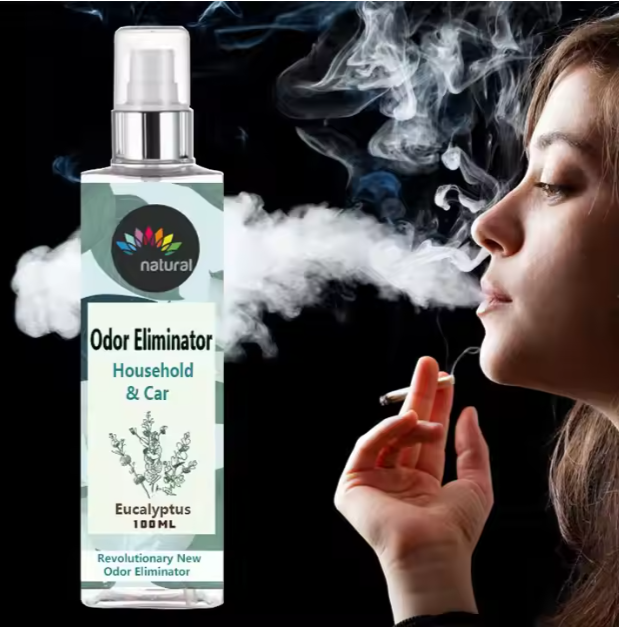
Liquid spray air fresheners are versatile, affordable, and quick-acting, making them ideal for homes, cars, or offices. To select the best option for your needs, consider these key factors:
1. Identify Your Goal
Clarify what you want the spray to achieve:
- Odor elimination: Look for sprays with odor-neutralizing agents (e.g., baking soda, activated charcoal).
- Fragrance boost: Choose scents that mask odors (e.g., floral, citrus).
- Germ-killing: Opt for sprays with antibacterial/antiviral properties (e.g., ethanol, tea tree oil).
2. Check Ingredients for Safety
Avoid harmful chemicals, especially for indoor use:
- Safe ingredients:
- Natural essential oils (e.g., lavender, peppermint).
- Non-toxic solvents (e.g., water, plant-based glycerin).
- Biodegradable formulas.
- Red flags:
- Aerosol propellants (linked to respiratory issues).
- Phthalates, parabens, or formaldehyde (toxic chemicals).
- Synthetic dyes (may cause allergies).
3. Choose the Right Scent
Match fragrance to the space and your preferences:
- Small spaces (cars, bathrooms): Light, fresh scents (lemon, cucumber).
- Large rooms (living areas): Stronger, long-lasting scents (vanilla, cedarwood).
- Relaxation zones (bedrooms): Calming scents (lavender, chamomile).
- High-traffic areas (kitchen, entryways): Odor-fighting scents (eucalyptus, citrus).
4. Consider Spray Type and Mechanism
- Aerosol sprays:
- Pros: Fine mist, quick diffusion.
- Cons: Harsh propellants, may trigger allergies.
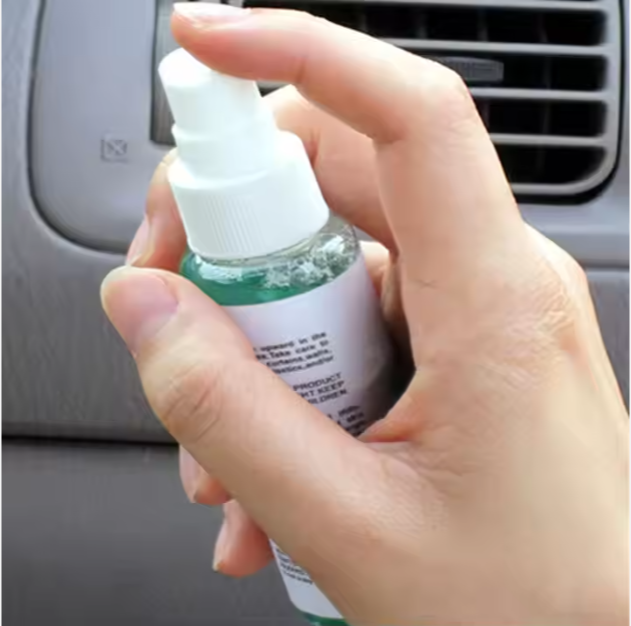
- Non-aerosol pump sprays:
- Pros: Eco-friendly, adjustable nozzle (mist/stream).
- Cons: Shorter scent longevity.
- Continuous spray bottles:
- Ideal for large areas or frequent use.
5. Evaluate Longevity and Coverage
- Scent duration:
- Look for “long-lasting” labels (typically 4–8 hours per application).
- For daily use, choose sprays with slow-release technology.
- Coverage area:
- Check the bottle size and recommended spray frequency (e.g., “2–3 sprays per 100 sq ft”).
6. Brand Reputation and Certifications
- Trusted brands: Mrs. Meyer’s, Method, Seventh Generation (eco-friendly); Febreze, Glade (mainstream).
- Certifications to look for:
- EPA Safer Choice (non-toxic).
- Leaping Bunny (cruelty-free).
- USDA Organic (for natural ingredients).
7. Test Before Buying in Bulk
- Sample small sizes or travel-sized sprays to:
- Ensure the scent isn’t overpowering.
- Check for allergic reactions (spray on a hidden surface first).
8. Eco-Friendly and Budget-Friendly Options
- Refillable bottles: Reduce plastic waste (e.g., Grove Collaborative refills).
- DIY recipes: Mix water, witch hazel, and essential oils for a custom spray.
- Budget picks: Generic brands often offer similar performance at lower costs.
9. Safety Tips for Use
- Ventilate the area after spraying to avoid chemical buildup.
- Keep away from pets/children: Store out of reach; some essential oils are toxic to animals.
- Avoid spraying on surfaces: Test on fabrics/upholstery first to prevent staining.
- Don’t use near open flames: Alcohol-based sprays are flammable.
10. Storage Recommendations
- Store in a cool, dark place to preserve fragrance and prevent bottle damage.
- Seal tightly after use to avoid evaporation.
Final Checklist Before Purchasing
✅ Is the scent pleasant and not overpowering?
✅ Does it contain safe, non-toxic ingredients?
✅ Is the spray mechanism easy to use (e.g., ergonomic nozzle)?
✅ Does it fit your budget and eco-friendly goals?
By balancing scent preference, safety, and practicality, you’ll find a liquid spray air freshener that keeps your space smelling fresh and clean.